
U.S. Hosts Israel,Lebanon First Direct Talks In Decades
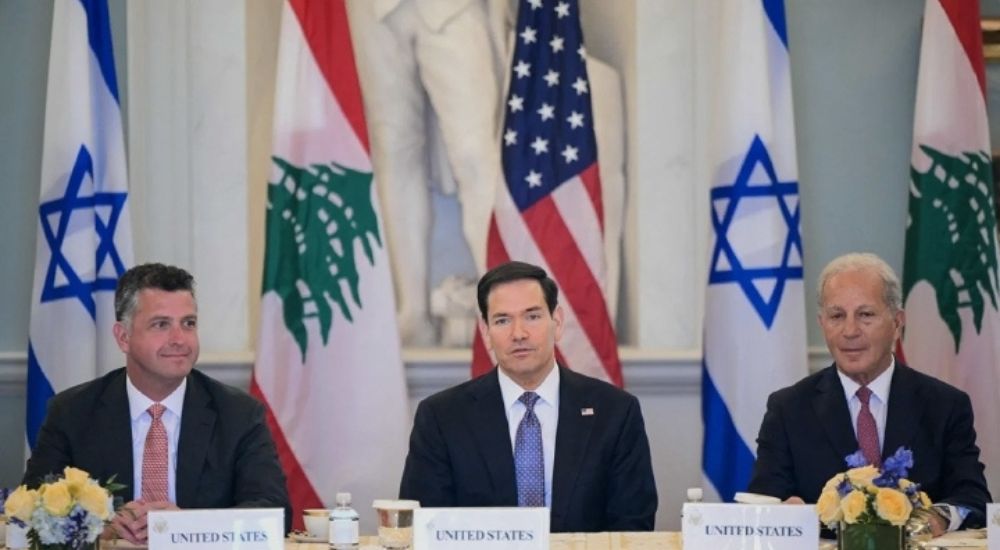
Lebanese and Israeli envoys held their first direct high-level talks in more than three decades on Tuesday, as Israeli forces continued strikes in southern Lebanon despite the diplomatic opening.
The meeting at the U.S. State Department brought together Lebanese Ambassador to Washington Nada Hamadeh Moawad, Israeli Ambassador to the US Yechiel Leiter, U.S. Secretary of State Marco Rubio, and U.S. Ambassador to Beirut Michel Issa.
U.S. officials described the talks as a “historic opportunity” to address security along Israel’s northern border and help Lebanon reassert sovereignty over its territory.
Rubio noted that the complexities involved particularly disarming the Iran-backed Hezbollah militant group would not be resolved in a single session.
However, the two sides entered the meeting with sharply different expectations. Lebanese officials framed the discussions as a preparatory step focused primarily on securing an immediate ceasefire.
Advertisement
A Lebanese source said Ambassador Moawad was authorised only to discuss halting the violence.
Israeli officials, by contrast, insisted that a ceasefire was not on the agenda. They emphasised the need for Hezbollah’s disarmament in southern Lebanon as a core issue.
Israeli Foreign Minister Gideon Sa’ar told reporters that the focus would be on ending Hezbollah’s military presence near the border.
A U.S. State Department official stressed that “Israel is at war with Hezbollah, not Lebanon,” adding that there was no reason the two neighbours should not engage in dialogue.
The talks come amid a fragile regional picture. The US, Israel, and Iran agreed to a 14-day ceasefire last week, but disagreements persist over whether it covers the fighting in Lebanon.
Advertisement
Iran and some allies argue that Lebanon should be included, while Washington and Jerusalem maintain it is a separate track.
On the ground, Israeli operations in southern Lebanon have not eased.
Lebanese authorities reported that strikes continued on Tuesday, contributing to a death toll that has surpassed 2,000 since the escalation began on March 2, according to the country’s health ministry. More than one million people have been displaced in the fragile nation.
Hezbollah, which is not participating in the talks, has strongly opposed them.
Acting leader Naim Qassem called the negotiations “futile” and urged the Lebanese government to cancel the meeting.
Anti-government protests broke out in Beirut over the weekend in response to the diplomatic move.
Advertisement
No major breakthrough is expected from Tuesday’s session. Both sides acknowledge deep mistrust and conflicting red lines.
Lebanese officials see the talks as a chance to stop Israel’s attack from escalating further, while Israel views them as a parallel track to its military pressure on Hezbollah.
The meeting marks the most senior face-to-face engagement between Israel and Lebanon since 1993.
The two countries have never had formal diplomatic relations, and Lebanon does not recognise Israel.
Developments from the State Department and reactions from Beirut and Jerusalem are expected in the coming hours as this fast-moving story unfolds.