Oil Markets Face Severe Risk From Middle East Conflict – Aramco
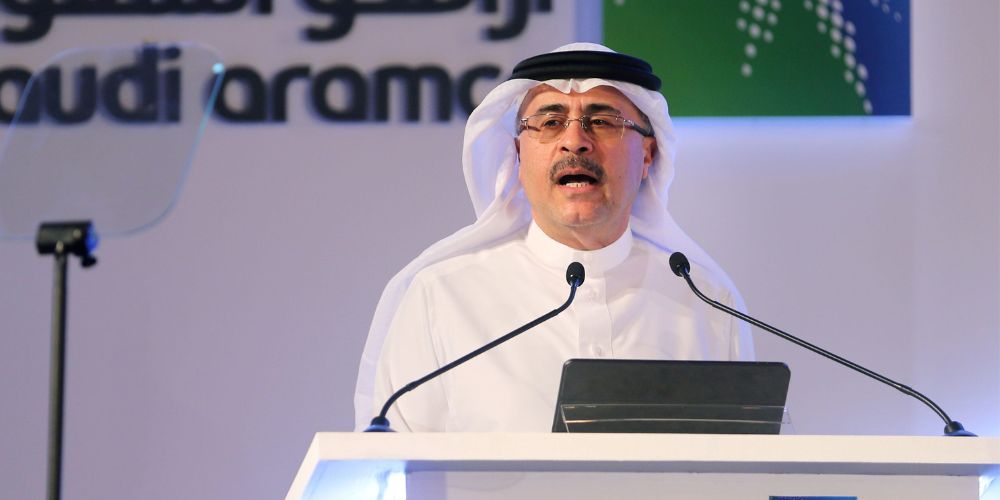
The chief executive of Saudi Aramco, Amin Nasser, has warned that the ongoing conflict in the Middle East poses a severe threat to global oil markets, cautioning that prolonged disruptions could trigger catastrophic consequences for energy supplies and the wider global economy.
Nasser issued the warning on Tuesday while speaking during a media briefing to announce the oil giant’s 2025 financial results. He described the current crisis as the most significant challenge the region’s oil and gas industry has faced in recent years.
According to him, it is critical that the Strait of Hormuz a key global oil shipping route is reopened as soon as possible. The strategic waterway normally carries about 20 percent of the world’s oil supplies, but has been disrupted due to the escalating conflict in the region.
“The disruption has caused a severe chain reaction in not only shipping and insurance but there’s also a drastic domino effect on aviation, agriculture, automotive and other industries,” Nasser said.
“There would be catastrophic consequences for the world’s oil markets the longer the disruption goes on, and the more drastic the consequences for the global economy,” he added.
Global oil prices have reacted sharply to the crisis, swinging wildly in recent days amid concerns about supply disruptions. Prices surged by nearly 30 percent on Monday as fears mounted over the closure of major oil transport routes before falling again following comments by Donald Trump, the President of the United States, suggesting that the conflict could soon end.
Advertisement
Nasser said that although the oil industry has experienced disruptions in the past, the current situation is unprecedented in scale.
“While we have faced disruptions in the past, this one by far is the biggest crisis the region’s oil and gas industry has faced,” he said.
The tensions follow retaliatory drone and missile attacks launched by Iran against several US-allied Gulf countries over the past 11 days. The strikes came after joint military actions by the United States and Israel against Iranian targets earlier in the conflict.
Energy infrastructure across the Gulf has been affected. Iranian strikes reportedly targeted installations linked to Saudi Aramco, including the massive Ras Tanura facility on Saudi Arabia’s Gulf coast. The complex houses one of the Middle East’s largest refineries and plays a crucial role in the kingdom’s oil exports.
Some operations at the facility were temporarily halted following the attacks, raising concerns over potential supply disruptions in global energy markets.
Advertisement
The conflict has also impacted other Gulf energy facilities. In Bahrain, the Al Ma’ameer oil facility was struck earlier this week, causing a fire and prompting the state-owned energy company Bapco to declare force majeure a legal term indicating that extraordinary circumstances may prevent it from fulfilling contractual obligations.
Energy producers in Qatar and Kuwait have also issued similar declarations, warning that the ongoing hostilities could disrupt supply commitments.
Amid the geopolitical tensions, Saudi Aramco reported a decline in its financial performance for 2025. The company said its net income fell by 12.1 percent to $93.38bn, compared with $106.24bn recorded in 2024.
When adjusted for exceptional items, Aramco’s net income stood at $104.65bn in 2025, down from $110.29bn the previous year, representing a 5.1 percent drop.
The company attributed the weaker earnings to a combination of higher global oil supply, economic headwinds and trade tensions linked to tariffs imposed by the United States.
Despite the decline, Saudi Aramco announced a share buyback programme worth up to $3bn over the next 18 months, marking the first such initiative in the company’s history since it launched a record initial public offering in 2019.
Advertisement
Industry analysts say the unfolding Middle East crisis could continue to drive volatility in global oil markets, particularly if disruptions to critical supply routes such as the Strait of Hormuz persist.
Nasser emphasised that restoring stability in the region remains essential for maintaining energy security and preventing deeper economic consequences worldwide.