
Lagos, 14 States Gain Electricity Regulatory Powers
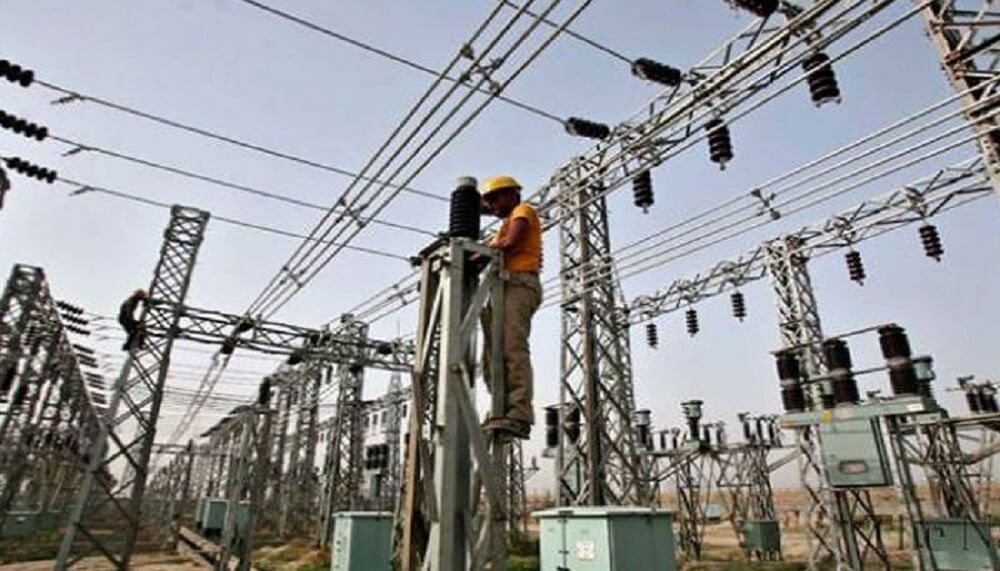
Nigeria’s power sector is experiencing a historic decentralisation as Lagos, Enugu, Edo and 12 other states have now assumed control of their electricity markets under the Electricity Act 2023.
This marks a major shift from a centrally regulated system to a more localised framework.
THE WHISTLER reports that the 2023 Act fully liberalises electricity generation, transmission, and distribution, allowing states, companies, and individuals to generate, transmit, and distribute power under license.
With the transition, State Electricity Regulators (SERs) now hold the mandate to oversee electricity generation, distribution and market development within their jurisdictions.
The Nigerian Electricity Regulatory Commission (NERC) in a document released on its X handle formerly Twitter on Wednesday, stated that the transitions began in October 2024, with Enugu and Ekiti leading the charge on October 22.
According to NERC, Ondo State followed closely on October 23; Imo joined by December 31, 2024, while Oyo (February 5, 2025), Edo (February 20, 2025) and Kogi (March 12, 2025) followed in quick succession.
Advertisement
Also, Lagos transitioned on June 4, 2025, setting the stage for increased private sector participation.
It stated further that Ogun State joined on June 23, 2025), Niger (July 9, 2025) and Plateau (September 12, 2025) to further expand the list.
The Commission listed that Abia State joined late on December 24, 2025, while Anambra joined on January 1, 2026; Nasarawa (February 3, 2026) and Bayelsa (February 20, 2026) to complete the 15-state shift.