
Mali Government Refuses Dialogue With ‘Terrorists’ Groups
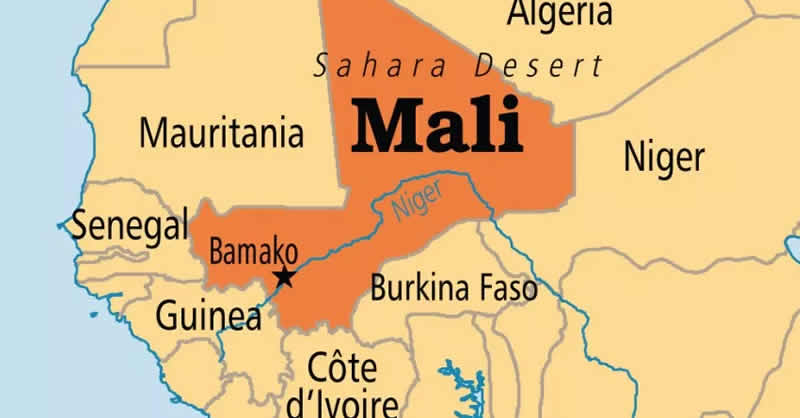
Mali’s military government has shut the door on any negotiations with the jihadist and separatist alliance that launched devastating coordinated attacks across the country on April 25 and 26, killing the defence minister and seizing key northern towns.
Foreign Minister Abdoulaye Diop made the government’s position clear, addressing the country’s diplomats and ruling out any engagement with what he described as terrorist groups responsible for years of violence against Malians.
“The government of Mali does not envisage any dialogue with the lawless terrorist armed groups that bear responsibility for the tragic events our people have been experiencing for years,” Diop said.
The April 25 and 26 attacks targeted locations stretching from Kidal in the desert far north to Kati, a garrison town near the capital Bamako, more than 1,500 kilometres to the southwest, in what analysts described as an unprecedented level of coordination and geographic spread.
The attacks claimed the life of Defence Minister Sadio Camara and several Malian soldiers.
The offensive was carried out by the al-Qaeda-affiliated group Jama’at Nusrat al-Islam wal-Muslimin, known as JNIM, and Tuareg rebels from the Azawad Liberation Front, in one of the most significant coordinated attacks seen in the country in recent years.
Advertisement
Following the attacks, junta leader Assimi Goita appointed himself defence minister and vowed to crack down on the rebels, saying the situation was of extreme gravity but under control. A military court also launched an investigation into five soldiers suspected of having links to the attackers.
The key northern town of Kidal and surrounding areas are now under the control of the alliance, which has since imposed a blockade on the capital, Bamako. Several opposition figures and military personnel were also reported detained or abducted in the aftermath of the attacks.
Mali has faced escalating instability since 2012, with groups linked to al-Qaeda and the Islamic State operating across the country alongside a long-running Tuareg separatist rebellion in the north.
Military officers seized power in coups in 2020 and 2021, subsequently breaking ties with France and expelling the United Nations peacekeeping mission before turning to Russia for security support.