
U.S. Lawmaker Accuses Nigerian Security Of Complicity In Attacks
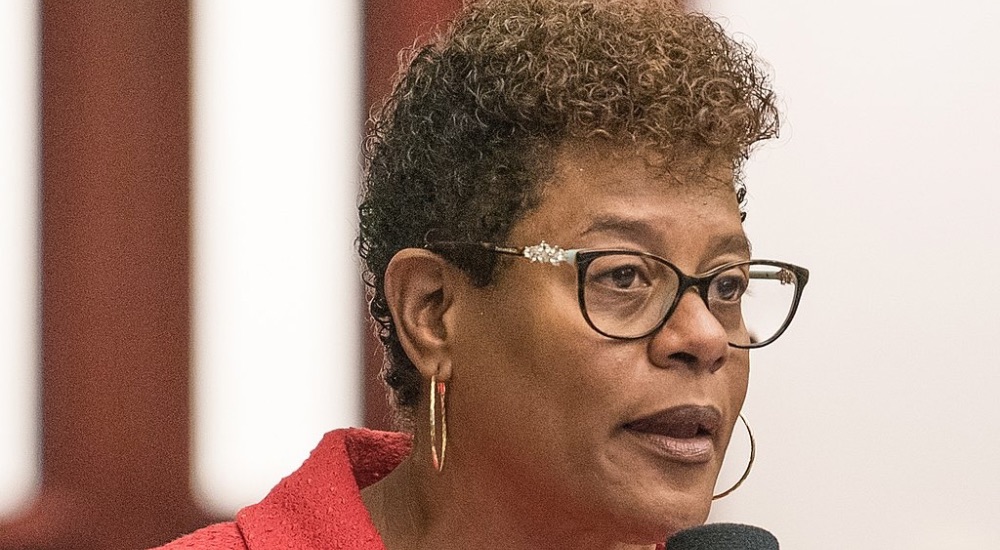
A United States lawmaker, Kimberly Daniels, has accused elements within Nigeria’s security apparatus of complicity in attacks on Christian communities in parts of the country.
Daniels, who serves in the Florida House of Representatives and chairs the United World Congress of Diplomats, made the allegations in a report released on April 14, 2026, focusing on recent waves of violence in Nigeria’s North-Central and North-West regions, including incidents reported during Palm Sunday and Easter Sunday services in Plateau, Kaduna, and Nasarawa states.
She described the attacks as part of a sustained and deliberate pattern targeting religious gatherings, arguing that official condemnations have not translated into adequate protection for vulnerable communities on the ground.
In her report, Daniels said there appeared to be a disconnect between government statements and the lived reality of affected populations, citing continued insecurity despite repeated assurances from authorities.
She also referenced allegations previously linked to former Zamfara State governor Bello Matawalle, raising concerns over claims of complicity with armed groups and warning that such accusations, if unaddressed, could undermine public trust in security institutions.
The report included testimonies attributed to survivors and local residents who expressed frustration over recurring attacks and what they described as inadequate protection, with some lamenting that they continue to bury victims despite official statements from Abuja.
Advertisement
Daniels further urged the Nigerian government to undertake urgent reforms in its security architecture, stating that failure to act decisively could embolden perpetrators and worsen the humanitarian situation.
Nigeria continues to grapple with widespread insecurity involving banditry, insurgency, and communal violence, with international attention frequently drawn to reports of attacks on rural and religious communities.
No immediate official response from the Nigerian government had been issued at the time of filing this report.