
UAE Announces Withdrawal From OPEC, OPEC+
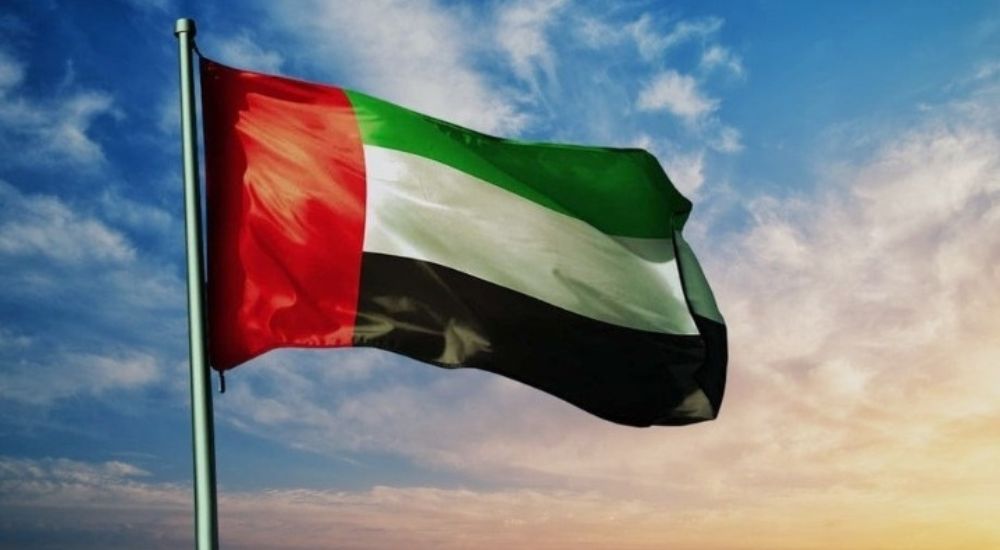
The United Arab Emirates has announced its decision to withdraw from the Organisation of Petroleum Exporting Countries and the broader OPEC+ alliance, with the move scheduled to take effect on May 1, 2026.
The United Arab Emirates will leave OPEC next month, the government said on Tuesday.
Emirati officials had long considered the possibility of exiting the cartel, citing concerns that production quotas had limited the country’s oil export capacity.
According to a statement published by the Emirati state news agency, the decision was taken in line with the government’s “long-term strategic and economic vision” and its plans to accelerate investment in energy production. It said the move reflects efforts to respond more effectively to evolving global energy market conditions amid geopolitical uncertainty.
The statement also said the UAE expects global energy demand to remain on a “sustained growth trajectory” in the medium to long term, and that it will continue to bring additional production to market in a gradual and measured manner aligned with demand and market stability.
UAE Energy Minister Suhail Al Mazrouei, in a post on social media, said the decision reflects a “policy-driven evolution aligned with long-term market fundamentals” and thanked OPEC and member countries for decades of cooperation.
Advertisement
The UAE is one of OPEC’s key producers, with an estimated production capacity approaching five million barrels per day. Its withdrawal comes as the alliance continues to navigate geopolitical tensions in the Middle East and disruptions to oil shipments through the Strait of Hormuz, a major route for global crude exports.
The UAE joined OPEC in 1967 and has remained one of the group’s influential members. In recent years, however, Abu Dhabi has expressed concerns over production quotas, arguing that investments in expanding its oil production capacity should allow for higher output baselines.
On April 5, 2026, the UAE participated in a virtual OPEC+ meeting alongside Saudi Arabia, Russia, Iraq, Kuwait, Kazakhstan, Algeria and Oman, where members agreed to a production adjustment of 206,000 barrels per day for May as part of efforts to gradually unwind voluntary cuts.
The announcement comes as shipping activity through the Strait of Hormuz continues to face disruptions, affecting a significant share of global oil trade and contributing to supply uncertainty in energy markets.
There has been no immediate reaction from the OPEC Secretariat or other member countries at the time of filing this report.
Advertisement