
Govt Hospital Using Lantern In Viral Video Owes N100m Electricity Bill
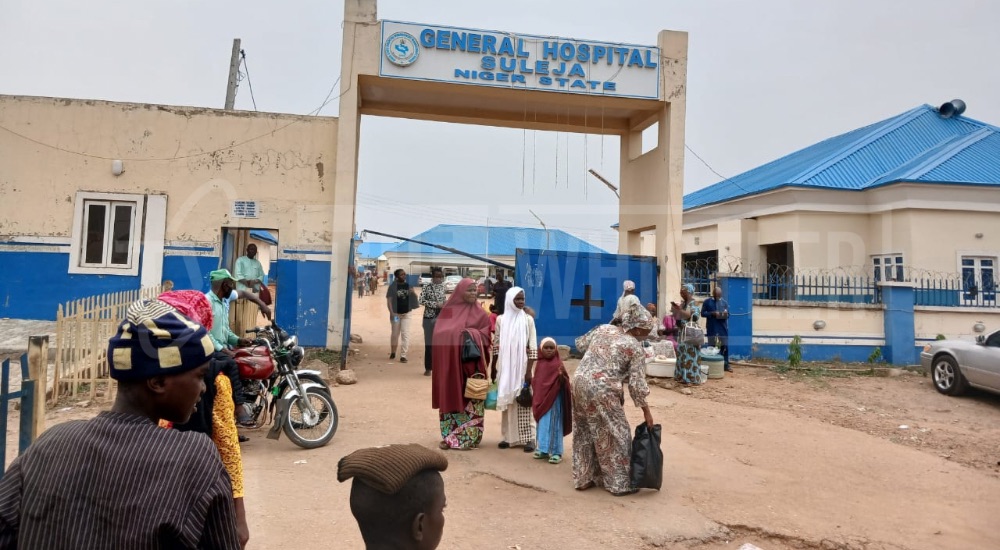
The Suleja General Hospital in Niger State, previously criticised on social media for using torchlights to attend to patients at night, is grappling with an electricity bill debt.
THE WHISTLER gathered that the hospital’s debt stems from years of mismanagement of its electricity meter, which left it owing a huge amount.
During a visit to the hospital, the Managing Director, Dr Mohammed Wasagi, told THE WHISTLER that the Abuja Electricity Distribution Company (AEDC) has been penalising the facility over accumulated bills linked to past misuse of its meter.

He said AEDC initially billed the hospital N120 million but reduced it to N82 million after several pleas and negotiations.
“Power supply is one of our major issues here, there was this issue of misuse of meter in the past, the AEDC are not happy with that, and are actually punishing us now. Presently, the hospital is on pre-paid meter, whatever token we buy, the AEDC deducts 50 percent from it,” Wasagi explained.
Advertisement
“Following the issue, the hospital was billed N120 million, but after our plea and renegotiations, they reduced it N82 million, of which 50 per cent is directly deducted from every token we purchase,” he added.
As a result, the hospital, which is now on a prepaid meter, has 50 per cent deducted from every electricity token purchased.
Wasagi explained that power supply remains one of their major challenges, noting that the deduction means the hospital cannot afford 24-hour electricity.
According to him, to manage the hospital, the management schedules power supply from around 10 a.m. to 12 p.m. or 2 p.m. during the day, and from 8 p.m. to 11 p.m. at night, except during emergencies when power is prioritised.
“Now what we are managing to do is that, we planned it in such a way that at least we should be able to get light 10 o’clock to 12 o’clock, or to 2 o’clock during the days. Then in the night, we also scheduled to have light from 8 o’clock to 11 o’clock, or as the case may be, if we happen to have an emergency, we don’t have an option,” the MD explained.
Advertisement
He added that the facility has also resorted to using diesel generators, but the rising cost of diesel and petrol has worsened the situation.
“We have other diesel generators that we have to put to use. We put them, and also service them for use, but with the coming cost of the diesel and the petrol again has added another thing to us. So, we are actually struggling on that feat,” he lamented.
The Managing Director said the hospital has not been silent on the issue and has written to the Ministry of Health, the State Commissioner for Health, the Federal Medical Service, and several NGOs for intervention.
He disclosed that the commissioner visited the hospital about four weeks ago and promised to escalate the matter to the governor.
In a recent development, Wasagi said the management installed solar systems in sensitive units including the maternity and emergency wings, and some consultant offices, at a cost of over N8 million.
He described solar as the most reliable option and appealed to philanthropists, NGOs, and groups to assist the hospital with power supply, saying it would be “marvellous” if they could help ease the burden on health personnel saving lives.
Advertisement
“We have done first installment, and this solar system is the best option now, it is more reliable. So, if we have any other person that will come to this hospital and want to assist us, the first thing we look into is the issue of light power. If you can do that to us, that would be marvelous,” Wasagi pleaded.
Wasagi also raised concerns over inadequate health personnel but expressed hope that the state government would address it, reiterating that electricity remains their most pressing challenge.
He further commended the state government’s efforts so far and urged them not to relent until the goal is achieved.